THE GARAGE / THREE PLATFORMS / ONE REALITY CHECK
What actually makes
your bike faster?
Talaria Sting R MX4. Sur-Ron Light Bee X. Sur-Ron Ultra Bee. A practical parts guide to power, top speed and range—without pretending a new part alone guarantees a faster bike.
01 / THE SHORT ANSWER
Three different goals.
Three different levers.
Power
Battery discharge × controller current sets electrical input; motor and cooling decide how long it lasts. The weakest part wins.
Speed
Voltage and RPM headroom matter. Taller gearing can trade acceleration for top end, but cannot create extra electrical power.
Range
Compare usable watt-hours, not voltage or amp-hours by themselves. Riding speed, terrain, tires, temperature and weight change the result.
| Change | Power | Speed | Range | Watch out |
|---|---|---|---|---|
| Controller / tune | Can raise the current ceiling | Only if RPM or voltage was limiting | Usually less at harder throttle | Stock pack and motor heat still set limits. |
| Higher-discharge battery | Supports more current, if the controller asks for it | Voltage can increase available RPM | Only more Wh reliably helps | Match max charge voltage, controller, charger and connectors. |
| Larger-capacity battery | Not necessarily | Not necessarily | Main direct range upgrade | Compare Wh, not Ah alone; check weight and fit. |
| Motor | More sustained headroom with a matching stack | Depends on motor, voltage and gearing | Not automatically | A motor cannot make an undersized pack supply more power. |
| Rear sprocket / tire | No extra electrical power | Trades top-end for wheel torque, or vice versa | Terrain- and riding-style dependent | Check chain length, pitch, clearance and tire diameter. |
Swipe the table sideways on a phone. Gains are directional, not promised mph, kW or miles.
Platform / MX4
Talaria Sting R MX4
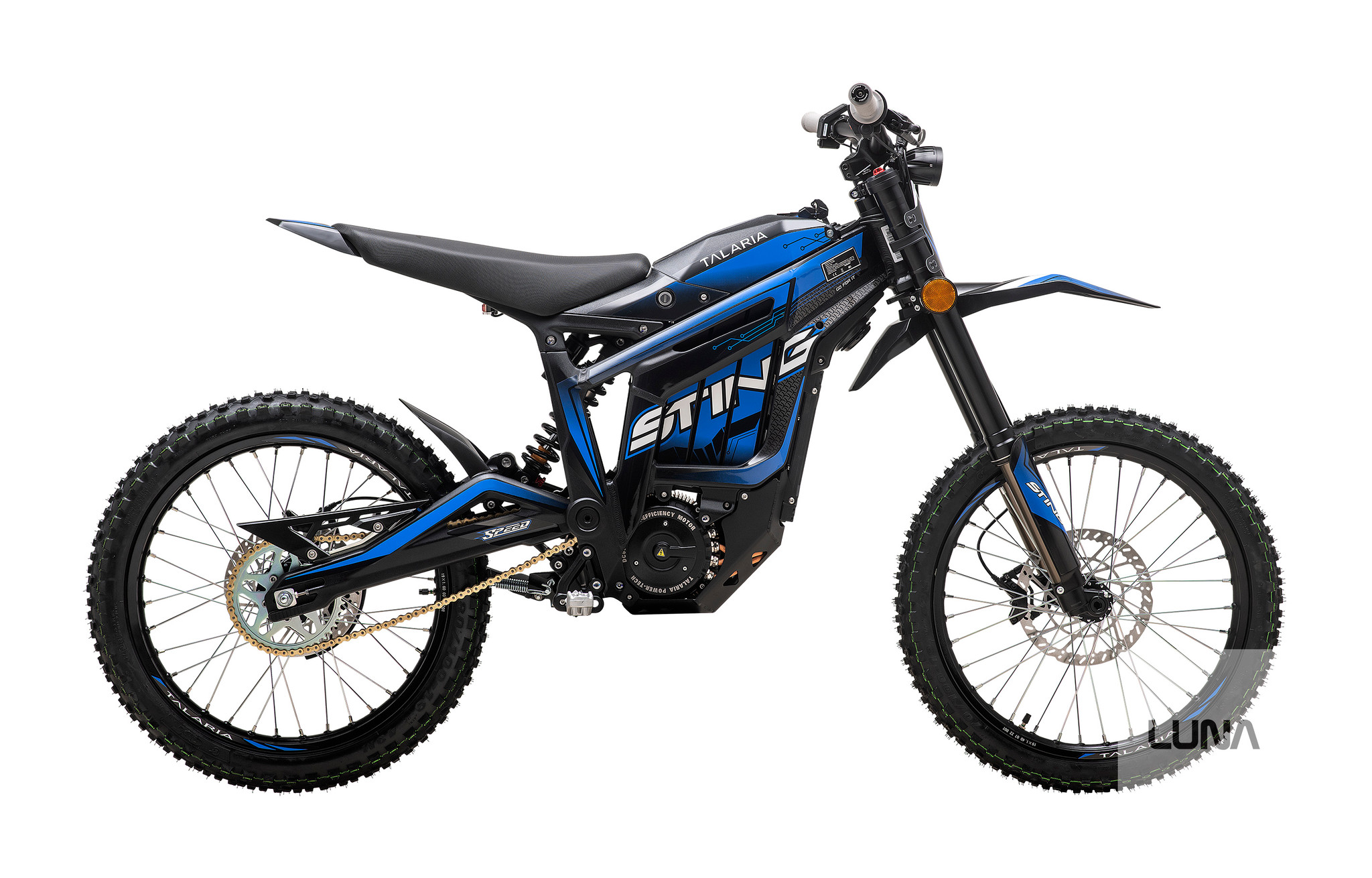
Stock-bike reference image. Year and trim specifications can differ.
Begin with the stock 60V setup. Higher-current control is only useful while the battery can supply it; a 72V conversion also needs a compatible controller, charger and connections.
Stock voltage
60 V
Battery energy
2,592 Wh
Listed peak
8.0 kW
Listed top speed
53 mph
Listed range
40 mi
Base price
$4,400
Catalog reference, not a measured dyno, speed or range result. Conditions, peak ratings and model years vary; the builder calculates from the saved bike record.
The upgrade order
- 01Controller on the stock pack, within its limits
- 02Fitted battery + controller as a matched system
- 03Motor only when heat or sustained output becomes the limit
Parts to compare
Only sourced, specced parts or verified compatibility records are highlighted here. A bike tag alone does not prove physical fit. Check each pairing in the builder and with the seller.
Platform / LIGHT BEE X
Sur-Ron Light Bee X
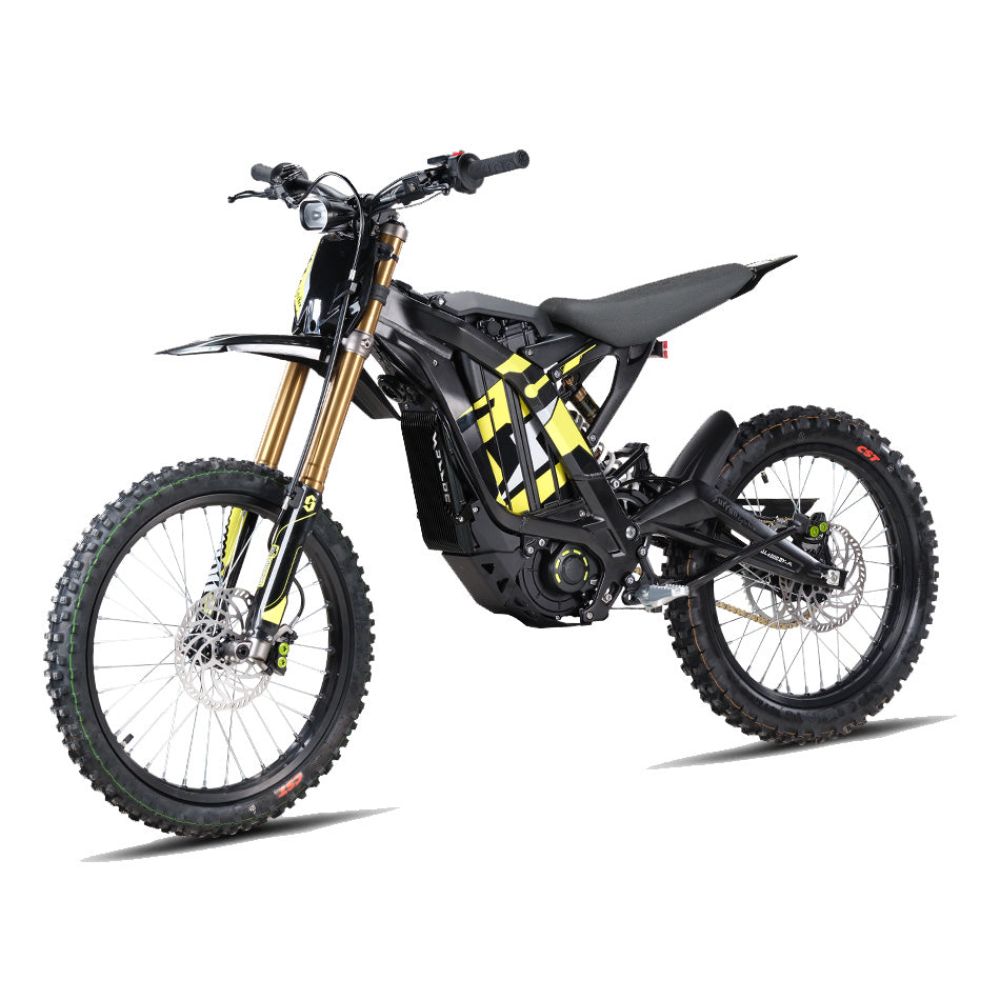
Stock-bike reference image. Year and trim specifications can differ.
The lighter starting point. A controller can sharpen delivery, but the stock battery still limits sustained current. A higher-energy pack is the clearer route to longer rides.
Stock voltage
60 V
Battery energy
1,920 Wh
Listed peak
6.0 kW
Listed top speed
47 mph
Listed range
40 mi
Base price
$4,500
Catalog reference, not a measured dyno, speed or range result. Conditions, peak ratings and model years vary; the builder calculates from the saved bike record.
The upgrade order
- 01Controller tune with stock-battery limits
- 02Verified higher-discharge battery + matching controller
- 03Motor and gearing once the electrical stack is sorted
Parts to compare
Only sourced, specced parts or verified compatibility records are highlighted here. A bike tag alone does not prove physical fit. Check each pairing in the builder and with the seller.
Platform / ULTRA BEE
Sur-Ron Ultra Bee
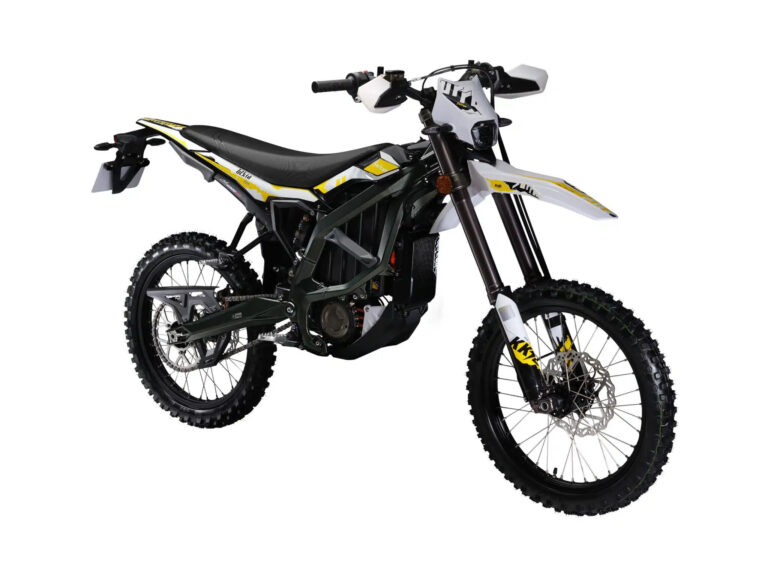
Stock-bike reference image. Year and trim specifications can differ.
Already a stronger stock platform. Prioritize the ride you want before replacing major hardware: gearing and traction may matter more than another peak-power claim.
Stock voltage
72 V
Battery energy
3,960 Wh
Listed peak
12.5 kW
Listed top speed
56 mph
Listed range
56 mi
Base price
$6,499
Catalog reference, not a measured dyno, speed or range result. Conditions, peak ratings and model years vary; the builder calculates from the saved bike record.
The upgrade order
- 01Tires and gearing for the terrain
- 02Battery energy if range is the real problem
- 03Controller, battery and motor only as a verified system
Parts to compare
Only sourced, specced parts or verified compatibility records are highlighted here. A bike tag alone does not prove physical fit. Check each pairing in the builder and with the seller.
05 / RUN THE NUMBERS
Start stock. Change one thing.
Open your bike in the Part Picker. The powertrain calculator starts from that bike’s recorded stock battery, controller and motor. Add a fitted part to compare estimated peak and continuous output, the limiting component and voltage warnings. Stock-bike reference price, upgrade spend and complete-build total are shown separately where recorded.
The sprocket test
Compare current and proposed front/rear teeth in the ratio calculator. Larger rear = more wheel torque and less theoretical top speed; smaller rear = the reverse. Enter your actual front sprocket, tire diameter, motor RPM and primary ratio—its defaults are examples, not verified stock values for these bikes. Speed is theoretical, not a road-test prediction.
OPEN SPROCKET CALCULATORThe daily ride
Start stock, compare a fitted controller, then test a rear-sprocket change. Expect a change in response or wheel torque, not free range. Keep the stock pack’s limits in view.
The longer ride
Compare a bike-fitted battery with more Wh; check added mass, charger and physical clearance. Do not infer range from voltage or amp-hours alone.
The power build
Compare a fitted high-discharge pack and controller together; add a motor only when its heat limit is documented. Verify the entire stack before riding.
A 72V battery on a 60V-only controller can destroy hardware. Verify full-charge voltage, connectors, BMS output, charger, motor temperature and physical fitment before buying. More power can affect warranty and road legality. Catalog estimates are not a substitute for a qualified installer or a controlled test ride.
Quick answers
Will a controller alone make my bike faster?
Only when the stock controller is the limiting factor. Battery discharge, voltage, motor speed, gearing and temperature still limit real-world results.
Does a 72V battery give more range?
Voltage alone does not guarantee range. Compare usable watt-hours and riding conditions; use only a battery, controller and charger designed to work together.
Sources & limits
Stock numbers on this page come from the live MAXAPACITY bike catalog; specs differ by year and market. Manufacturer and vendor material below supports the general guidance, but vendor performance claims are not independent dyno tests. Check the exact product listing and your bike before ordering.